
Probation GPS Tracking Success Guide
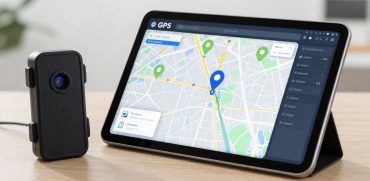
GPS monitoring for probation compliance has changed how supervision is managed, offering courts, officers, and individuals structured tools for oversight. These systems provide real-time location data to support accountability while operating within defined legal frameworks.
With continued technological advancements, GPS tracking for those on probation has become more accessible and easier to use. Modern devices are designed to support compliance without unnecessary complexity, helping individuals follow court-ordered requirements while maintaining a reasonable level of personal privacy.
Maximizing Privacy While Ensuring Compliance
Balancing privacy with compliance is a key consideration in probation monitoring. The use of electronic monitoring has increased significantly in recent years, reflecting its role in supporting court-ordered supervision.
Effective monitoring programs focus on collecting only the data necessary to meet legal requirements. Clear policies on data use and access help ensure that information is handled appropriately and shared only with authorized parties.
Transparency also plays an important role. When individuals understand what is being tracked and why, it can help set expectations and improve cooperation throughout the supervision process. GPS monitoring for probation compliance works best when it maintains this balance between accountability and clearly defined data boundaries.
Choosing User-Friendly GPS Devices
Selecting user-friendly GPS devices is essential for effective monitoring. Simple-to-operate systems help reduce confusion and improve day-to-day compliance for individuals under supervision.
Devices with clear interfaces, straightforward alerts, and minimal setup requirements make it easier for both officers and users to interact with the system. This can support more consistent use and reduce the likelihood of user-related errors.
Ease of use also contributes to a more efficient overall monitoring process. When devices are designed with practicality in mind, they help streamline communication and allow all parties to focus on meeting supervision requirements.
Prioritizing Tamper Alerts and Real-Time Updates
Reliable alerts and real-time updates are central to effective GPS tracking for those on probation. Monitoring systems are designed to notify supervising parties of key events, such as device tampering or entry into restricted areas.
Modern technology continues to improve the accuracy of these alerts. Enhanced sensor systems and improved connectivity help reduce false notifications while ensuring that legitimate concerns are identified quickly.
Secure data transmission is also a critical component. Many systems now use advanced network technologies to maintain consistent communication and deliver alerts without delay. This allows supervising officers to respond appropriately when required, supporting both compliance and safety.
Well-configured monitoring systems, including clearly defined zones and consistent device performance, contribute to more reliable outcomes and a more manageable supervision process.
Supporting Successful Outcomes Through Reliable Monitoring
Successful probation monitoring depends on a combination of reliable technology and clear processes. GPS tracking for those on probation provides structure and accountability, helping individuals meet the conditions set by the court.
Magnolia Monitoring provides GPS monitoring solutions designed to support compliance through dependable technology and straightforward implementation. The focus remains on delivering consistent performance while aligning with court-ordered requirements.
By combining user-friendly devices, accurate alert systems, and responsible data handling practices, monitoring programs can operate effectively while maintaining appropriate standards. These elements work together to support supervision goals and contribute to a more structured and manageable probation process.


